How to Choose the Best Sneakers for Running Performance and Comfort?
Choosing the right sneakers for running is essential for both performance and comfort. According to renowned running coach and sneaker expert James O’Connell, “The right shoes can make or break your run.” His insights underline the importance of selecting suitable sneakers running for your specific needs.
When picking sneakers, consider your foot type. Arch support varies greatly among different brands and models. An ideal fit can lead to better stability and reduce the risk of injury. Additionally, think about the terrain where you’ll run. Trail running shoes differ from road running shoes in terms of grip and cushioning.
Reflecting on personal experiences is vital when selecting sneakers running. A good shoe should feel like an extension of your body. Yet, it's common to overlook how weight and flexibility affect your stride. Balancing style with functionality can be challenging, but focusing on performance will enhance your running experience.
Understanding Your Foot Type and Gait for Running Shoe Selection
Understanding your foot type and gait is essential for selecting the right running shoes. Each person's feet are different. This uniqueness affects running performance and comfort. Knowing your arch height, whether it's low, medium, or high, guides you in choosing the most suitable sneakers.
Many runners ignore their gait analysis. Your gait reflects how your feet strike the ground. It impacts the wear on your shoes and your injury risk. Overpronators may require stability shoes. Underpronators might need more cushioning.
Tip: Visit a specialized running store for a gait analysis. Watching a professional assess your footfall can be incredibly helpful.
Also, try different shoe types. Don't rush this process. Spend time walking and jogging to feel the difference. Comfort should always be your priority.
Tip: Keep an eye on your shoe’s wear and tear. If you notice uneven wear, it’s time for new shoes. Reflecting on how your shoes feel during runs can reveal valuable insights about what works for you.
Key Features to Look for in Running Sneakers for Optimal Comfort
Choosing the right sneakers for running involves focusing on several key features that contribute to comfort. Cushioning is essential for absorbing impact. Look for shoes with responsive materials that provide a plush feel underfoot. This can help reduce fatigue during long runs. The right level of cushioning varies from person to person, so try multiple options to find what works best for you.
Fit is another critical aspect. A snug fit keeps your foot securely in place while running, preventing blisters. Ensure there’s enough room in the toe box; your toes should not feel cramped. Pay attention to the heel counter as well. A supportive heel can enhance stability and reduce the risk of injury.
Breathability is often overlooked but is crucial for comfort in various climates. Mesh uppers can help keep your feet cool. If your feet sweat a lot, consider moisture-wicking socks. Remember that the best sneakers for you may not be the trendiest. Your personal comfort should be the ultimate guide. Always reflect on how your choices impact your running experience.
Evaluating Cushioning and Support for Running Performance Enhancement
When choosing sneakers for running, cushioning and support are critical. The right cushioning absorbs impact, reducing stress on your joints. A shoe with insufficient cushioning can lead to discomfort and fatigue. Look for options with varying types of foam or gel. These materials can enhance your running experience significantly.
Support is another key aspect. Sneakers should provide stability, especially if you overpronate or have flat feet. A supportive shoe helps maintain proper alignment. Pay attention to the arch support, as this can affect your overall comfort. A well-structured shoe guides your foot, promoting a natural gait.
In your search, consider getting fitted. Having a professional assess your running style can reveal specific needs. Don’t overlook the importance of trying different pairs. Each individual's foot shape varies, and what feels comfortable for one may not for another. Remember, it’s a personal journey. Adjust your choices based on your running habits and comfort.
How to Identify the Right Fit and Size for Your Running Shoes
Finding the right fit for your running shoes is crucial. An improper fit can lead to discomfort and injury. When trying on shoes, ensure there's about half an inch of space between your longest toe and the shoe's front. This helps accommodate foot swelling during runs. Pay attention to the width as well; your foot should not feel cramped.
Different foot shapes require different types of fit. Consider your arch type—high, medium, or flat. A high arch might benefit from cushioned shoes, while flat feet often require stability or motion control. Always walk or jog a few steps in the store. This simple test can reveal potential problems with fit. Don't rush the selection process; a moment of hesitation about comfort might lead to weeks of regret.
Socks also play a role in fit. Thin or thick socks can alter how shoes feel. An ideal fit should feel snug yet comfortable. Take your time to assess. Reflect on your previous shoe experiences. Identifying discomfort can help you avoid repeating mistakes. A careful approach ensures you get the best support for your running journey.
Comparing Different Running Shoe Brands for Performance and Durability
When selecting running shoes, brand comparison is crucial for both performance and durability. Each brand offers unique characteristics that cater to different runners' needs. For instance, some emphasize cushioning while others focus on responsiveness or stability. It's important to analyze these aspects based on your running style.
Durability is another key factor. Many brands use advanced materials to enhance the lifespan of their shoes. However, not all models deliver the same durability. Runners often find that lighter options wear out faster. Testing various models can reveal surprising insights about longevity. Comfort can also differ significantly between brands. Some may have a snug fit, while others offer a roomier toe box.
Personal experience plays a significant role in finding the right shoe. Runners frequently recommend trying different sizes and styles before making a choice. Keep in mind that your foot shape may change over time. Listening to feedback from running communities can provide valuable information. Every runner's journey is unique, and finding the perfect sneaker may require patience and reflection.
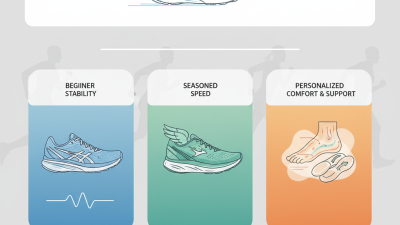
Running Shoe Performance and Comfort Comparison